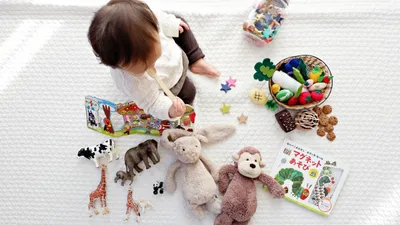
Two year olds are in a critical period for sensory development, and sensory play is the most effective way to build neural connections across all brain regions. The best sensory activities for this age include water play, sensory bins with rice or pasta, play dough, painting, sand play, and music making. Simple household materials outperform expensive toys, and 15-20 minutes of focused sensory play daily has measurable developmental benefits.
Watch a 2 year old discover a puddle for the first time. They do not walk through it — they stomp, splash, crouch down, touch the water, look at their wet hand, splash again, pick up a leaf floating on the surface, drop it, and watch the ripples. This is not playing. This is research. And it is the most important work a 2-year-old brain can do.
At two years old, the brain is forming synaptic connections faster than at any other point in life — over one million new connections per second. These connections are built from sensory input: what the child touches, sees, hears, smells, tastes, lifts, and moves through. The more varied and rich the sensory input, the more robust the neural architecture. This is not theory. This is measurable neuroscience, confirmed by imaging studies and decades of developmental research.
Sensory play is the delivery system for this input. It is the most efficient way to feed a developing brain exactly what it needs. And the beautiful part is that it requires almost no money, no special equipment, and no expertise. You already have everything you need in your kitchen, backyard, and bathroom.
This guide provides 25 specific sensory play activities for 2 year olds, organized by sense, plus the best toys and tools to support ongoing sensory exploration. For the science behind sensory development, see our comprehensive guide to Montessori sensory toys. For general toddler activities, explore our Montessori activities for toddlers guide.
Tactile sensory activities: touch is learning
Touch is the most developed sense at birth and remains the primary learning channel through age 3. For a 2 year old, the hands are information gathering tools as sophisticated as laboratory instruments.
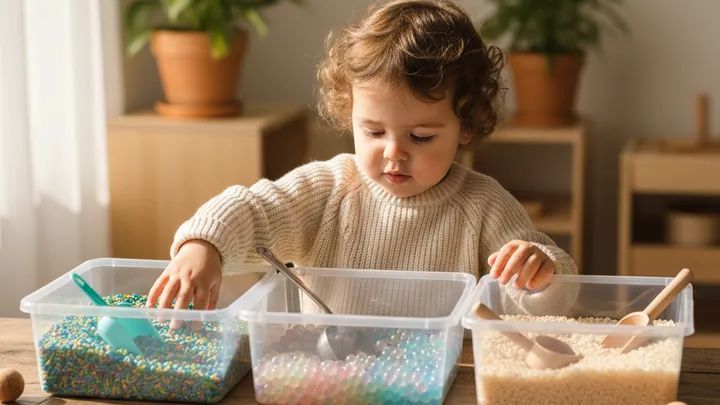
Activity 1: Classic sensory bin with dry rice
Materials: Large plastic bin or tray, 5 pounds of uncooked rice, cups, funnels, small containers, spoons.
Setup: Pour rice into the bin. Add 3-4 tools. That is it.
What happens: The child scoops, pours, buries their hands, discovers that rice flows like water but feels completely different. They learn about volume (this cup fills that cup), gravity (rice pours down), and texture (smooth, flowing, dry). Twenty minutes disappears.
Language to use: “Pour. Scoop. Full. Empty. Listen — what sound does the rice make? Is it cold or warm? Can you bury the spoon?”
Variation: Dye the rice with food coloring and vinegar (spread on a baking sheet to dry). Colored rice adds visual interest without changing the tactile experience.
Activity 2: Water play station
Materials: Large bin or dishpan, water, cups, funnels, sponges, turkey baster, spray bottle, small waterproof figurines.
Setup: Fill the bin with a few inches of warm water. Add tools one at a time (do not dump everything in at once).
What happens: Water play is the single most productive sensory activity for 2 year olds. It develops pouring control, squeeze strength (sponges, spray bottles), cause-and-effect understanding, and temperature awareness. It is also deeply calming for most children.
Extensions:
- Add ice cubes and observe melting
- Add a drop of dish soap for bubbles
- Float and sink experiments with kitchen items
- Color the water with food coloring
- Use warm water in one bin and cool water in another
Activity 3: Play dough exploration
Materials: Play dough (purchased or homemade), rolling pin, cookie cutters, plastic knife, textured items to press into dough.
Homemade recipe: 1 cup flour, 1/2 cup salt, 2 tablespoons cream of tartar, 1 cup water, 1 tablespoon vegetable oil. Cook over medium heat, stirring constantly, until it forms a ball. Cool and knead. Lasts 2-3 months in an airtight container.
What happens: Play dough provides extraordinary proprioceptive and tactile input. Squeezing, rolling, tearing, and pounding develops hand strength — the same muscles needed for writing years later. Pressing textured objects (forks, leaves, fabric) into dough creates a reverse tactile impression that is endlessly fascinating.
Parent tip: Make play dough together. Measuring flour, stirring the mixture, and watching the transformation from ingredients to dough is a sensory activity in itself — and a math lesson, science lesson, and practical life exercise simultaneously.
Activity 4: Mud kitchen
Materials: Dirt, water, old pots and pans, spoons, cups, natural materials (sticks, leaves, stones, flower petals).
Setup: An outdoor area where mess is not a problem. A bin of dirt and a container of water.
What happens: Mud engages every tactile receptor. It is cold, wet, heavy, squishy, and unpredictable. Children who play in mud regularly show reduced tactile defensiveness — they become more comfortable with unfamiliar textures. It also provides intense proprioceptive input through the resistance of mixing and stirring.
Activity 5: Texture walk
Materials: Samples of different materials taped or placed on the floor: bubble wrap, aluminum foil, a towel, sandpaper, a bath mat with suction cups, a furry rug, a smooth tile.
Setup: Create a path of textures across the floor.
What happens: Bare feet have dense concentrations of sensory receptors. Walking across different textures provides intense tactile input through the soles while also developing balance and body awareness. Name each texture as the child steps on it.
Auditory sensory activities: sound shapes the brain
Hearing is fully developed at birth, but auditory processing — the brain’s ability to organize and interpret sound — develops throughout childhood. Two year olds are in a critical period for language acquisition, and auditory sensory play directly supports this.
Activity 6: Kitchen band
Materials: Pots, pans, wooden spoons, metal spoons, plastic containers, rubber spatulas.
What happens: Each combination of striker and surface produces a different sound. Metal spoon on metal pot: loud and ringing. Wooden spoon on plastic container: dull and quiet. The child is learning about pitch, volume, and timbre while developing bilateral coordination (one hand holds, the other strikes).
Activity 7: Sound shakers
Materials: Small containers with lids (film canisters, spice jars, small plastic bottles). Fill each with a different material: rice, beans, bells, coins, sand, paper clips, cotton balls.
What happens: Each shaker sounds different. Make two of each (matching pairs) and challenge the child to find the ones that sound the same — this is the Montessori sound cylinder exercise simplified for a 2 year old.
Activity 8: Nature sound walk
Materials: None. Just go outside.
What happens: Stop frequently and say “Listen. What do you hear?” Two year olds hear birds, wind, cars, dogs, airplanes, and water — each sound an opportunity to name, describe, and discuss. This develops auditory attention, the ability to isolate specific sounds from background noise, which is critical for listening in group settings.
Activity 9: Singing and rhyming
Materials: Your voice.
What happens: Singing is the most powerful auditory sensory activity available. The rhythmic, melodic structure of songs activates both brain hemispheres simultaneously. Nursery rhymes develop phonological awareness — the ability to hear and manipulate the sounds of language — which is the strongest predictor of later reading ability.
Activity 10: Whisper and shout game
Materials: None.
How to play: Say a word in a whisper. Then say it in a normal voice. Then shout it. Let the child copy each volume level. This teaches volume control (a practical social skill) while developing auditory discrimination (perceiving the same word at different intensities).
Visual sensory activities: seeing is understanding
By age 2, vision is nearly adult-quality, but visual processing — interpreting what the eyes see — continues to develop. Activities that involve color, light, shadow, and movement support this ongoing development.
Activity 11: Light table exploration
Materials: A light table (or a clear storage bin with string lights underneath), translucent colored objects (colored plastic cups, transparent building blocks, cellophane).
What happens: Back-lit colored objects are mesmerizing. Layering red cellophane over blue creates purple — this is color mixing without paint. Translucent blocks cast colored shadows. The controlled visual input of a light table promotes sustained attention and visual focus.
Budget option: Tape a string of white LED lights inside a clear plastic storage bin. Flip it upside down. Place colored objects on top. The effect is nearly identical to a commercial light table.
Activity 12: Shadow play
Materials: A flashlight and a blank wall.
What happens: Shadow puppets with hands, toy figurines, or cut-out shapes. The child learns that objects can create representations — a hand can look like a bird. This is early symbolic thinking, the same cognitive ability needed for understanding that letters represent sounds and numbers represent quantities.
Activity 13: Color sorting
Materials: Colored bowls or plates and a collection of small objects in matching colors (colored pom poms, colored blocks, crayons).
What happens: Sorting by color is a visual discrimination task that develops categorization — one of the fundamental cognitive skills. Start with 3 colors and expand to 5-6 as the child masters the concept. For more sorting activities, see our sorting toys guide.
Activity 14: Painting with unusual tools
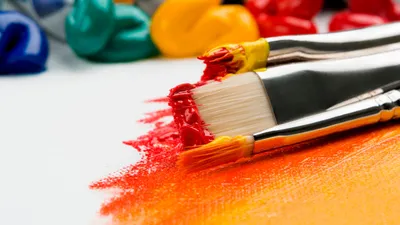
Materials: Washable paint, large paper, and any of these: sponges, cotton balls, toy cars, bubble wrap, forks, leaves, pine cones, fingers and feet.
What happens: Each tool creates a different visual pattern. This is process art — the goal is the experience of creating, not the finished product. The visual feedback of color appearing on paper in response to the child’s action is cause-and-effect at its most immediate and satisfying.
Activity 15: Bubble watching
Materials: Bubble solution and wand.
What happens: Bubbles float unpredictably, reflect rainbow colors, and pop satisfyingly. Tracking floating bubbles develops visual tracking skills. Popping them develops hand-eye coordination. Blowing them develops oral motor control (the same muscles used for speech). This is one of the highest-value sensory activities per dollar spent.
Proprioceptive and vestibular activities: the hidden senses
Proprioception (body awareness) and the vestibular system (balance and movement) are the two senses most people do not think about, but they are critical for everything from sitting still in a chair to catching a ball to feeling calm and regulated.
Activity 16: Pillow crash pad
Materials: A pile of couch cushions and pillows on the floor.
What happens: The child jumps, crashes, and rolls into the cushions. This provides intense proprioceptive input (impact absorption) and vestibular input (falling, rolling). It is one of the best quick-regulation activities for 2 year olds who are wound up, anxious, or seeking physical input. For more movement ideas, see our gross motor toys guide.
Activity 17: Carry heavy things
Materials: A small bucket of water, a bag of groceries, a stack of books, a watering can.
What happens: Carrying heavy objects provides deep proprioceptive input through the joints and muscles. The effort of carrying also develops core strength, bilateral coordination, and endurance. Make it functional: “Can you carry this bag to the kitchen? Can you water the plant?”
Activity 18: Spinning and rolling
Materials: A grassy hill, a spin-and-sit toy, or a clear floor space.
What happens: Rolling down a hill, spinning in circles, and being gently spun provide vestibular input that the developing balance system needs. The vestibular system is connected to the visual system, so spinning also develops the ability to maintain visual focus during movement.
Safety note: Stop if the child shows signs of dizziness, nausea, or distress. Some children seek intense vestibular input and can spin for minutes without discomfort. Others become uncomfortable after two rotations. Follow the child’s signals.
Activity 19: Climbing
Materials: Pikler triangle, climbing dome, playground equipment, or sturdy couch cushions arranged as steps.
What happens: Climbing is a full-body proprioceptive and vestibular activity. Every grip, pull, and step provides information about body position, weight distribution, and balance. It also develops problem-solving (how do I get up there?) and risk assessment (how high is safe?). For indoor climbing options, see our Pikler triangle guide.
Activity 20: Dance party
Materials: Music. That is all.
What happens: Dancing combines vestibular input (movement, turning, jumping), proprioceptive input (stomping, swaying), auditory processing (rhythm, tempo), and social connection (dancing together). Put on music with a strong beat and follow the child’s lead. Freeze dance (stop when the music stops) adds impulse control practice.
Smell and taste sensory activities: the forgotten senses
Olfactory and gustatory experiences are often overlooked in sensory play, but they are deeply connected to memory, emotion, and vocabulary development.
Activity 21: Smell jars
Materials: Small jars or containers with different scents: vanilla extract, cinnamon, coffee grounds, lavender, lemon peel, mint, rosemary.
What happens: The child smells each jar and you name the scent. Some scents are “strong” and some are “gentle.” Some are “sweet” and some are “sharp.” This builds descriptive vocabulary while training olfactory discrimination.
Activity 22: Taste testing
Materials: Small portions of foods with different taste profiles: lemon (sour), honey (sweet), cheese (salty), unsweetened cocoa (bitter), apple (crunchy), banana (soft).
What happens: A guided tasting activity builds vocabulary (sour, sweet, salty, bitter, crunchy, soft, warm, cold), develops adventurous eating habits, and connects taste to the foods they encounter daily. Let the child spit out anything they do not like — this is exploration, not mealtime.
Activity 23: Cooking together
Materials: A simple recipe with strong sensory elements: banana muffins (mashing, stirring, smelling), fruit salad (cutting soft fruit, mixing, tasting), homemade lemonade (squeezing, stirring, tasting).
What happens: Cooking is the ultimate multi-sensory activity. Every step engages multiple senses simultaneously. The smells, textures, temperatures, sounds, and tastes of cooking provide the richest sensory environment in any home. For more on the Montessori approach to cooking, see our guide to practical life activities.
Multi-sensory activities: the complete experience
Activity 24: Sensory path
Materials: Masking tape on the floor in straight lines, zigzags, and curves. Add small obstacles: step over a pool noodle, walk along a balance beam (tape line), jump between taped squares.
What happens: A sensory path combines visual input (following the line), proprioceptive input (jumping, stepping), vestibular input (balancing), and motor planning (sequencing the movements). Set it up once and the child will use it repeatedly. Change the layout weekly.
Activity 25: Outdoor exploration walk
Materials: None required. A bag for collecting treasures.
What happens: Walk slowly. Stop at everything. Touch the bark on a tree (rough). Pick up a smooth stone (cold, heavy). Listen to birds. Smell flowers. Stomp in a puddle. Crunch leaves. Collect treasures in the bag to examine at home. This is the original sensory play — the natural world provides more sensory variety than any toy store.
Best sensory toys for 2 year olds
While most of the activities above require minimal equipment, some purchased toys provide excellent ongoing sensory experiences.
| Toy | Senses Engaged | Durability | Price |
|---|---|---|---|
| Kinetic sand + tools | Tactile, visual | High | $15 |
| Water table | Tactile, visual, auditory | High | $30-60 |
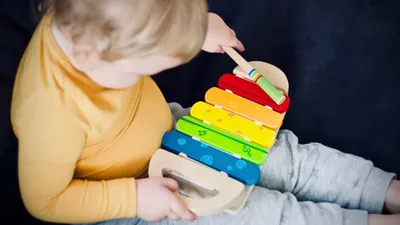
| Musical instrument set | Auditory, tactile, proprioceptive | Medium | $20 |
| Play dough + tools set | Tactile, proprioceptive, visual | Medium | $10-20 |
| Magna-Tiles | Visual, tactile, proprioceptive | Very high | $40-60 |
| Balance board | Vestibular, proprioceptive | Very high | $50-80 |
Water Table for Toddlers — A standing water table is one of the best sensory investments for a 2 year old. It provides the right height for standing play, contains the mess somewhat, and supports endless variations (add ice, bubbles, food coloring, floating toys, funnels, and pouring tools). Use it indoors with towels underneath or outdoors for maximum freedom.
Kinetic Sand with Tools — Kinetic sand provides a tactile experience unlike any natural material — it holds its shape when molded but flows like liquid when released. The sensory feedback is calming and deeply satisfying. Include simple tools: a butter knife, cookie cutters, and small cups for molding.
Creating a sensory-rich daily routine
You do not need a dedicated sensory play session to give your 2 year old the sensory input they need. Sensory experiences are woven naturally throughout the day:
Morning routine: The feeling of water on their face (warm? cold?), the texture of their toothbrush, the sound of breakfast being prepared, the smell of toast.
Mealtime: Different food textures, temperatures, tastes. Pouring milk from a small pitcher. Scooping with a spoon. Drinking from an open cup.
Bath time: The premier sensory experience. Water temperature, bubble texture, pouring, splashing, washcloth textures, the sound of water draining.
Outdoor time: Wind on skin, grass under feet, sunlight and shadow, bird songs, the smell of rain.
Before bed: A weighted blanket, a soft song, a gentle back rub, a dim room — calming sensory input that signals the brain to shift into rest mode.
Every moment of the day is a sensory moment. The activities in this guide simply concentrate and intensify the sensory input that daily life already provides, giving your child’s rapidly developing brain exactly the fuel it needs to build the neural architecture that supports every skill they will ever learn.
The most important thing is not which activities you choose. It is that you choose to let your child explore, get messy, and experience the world through their hands, feet, ears, nose, and mouth — every single day. That is not just play. That is how a brain is built.